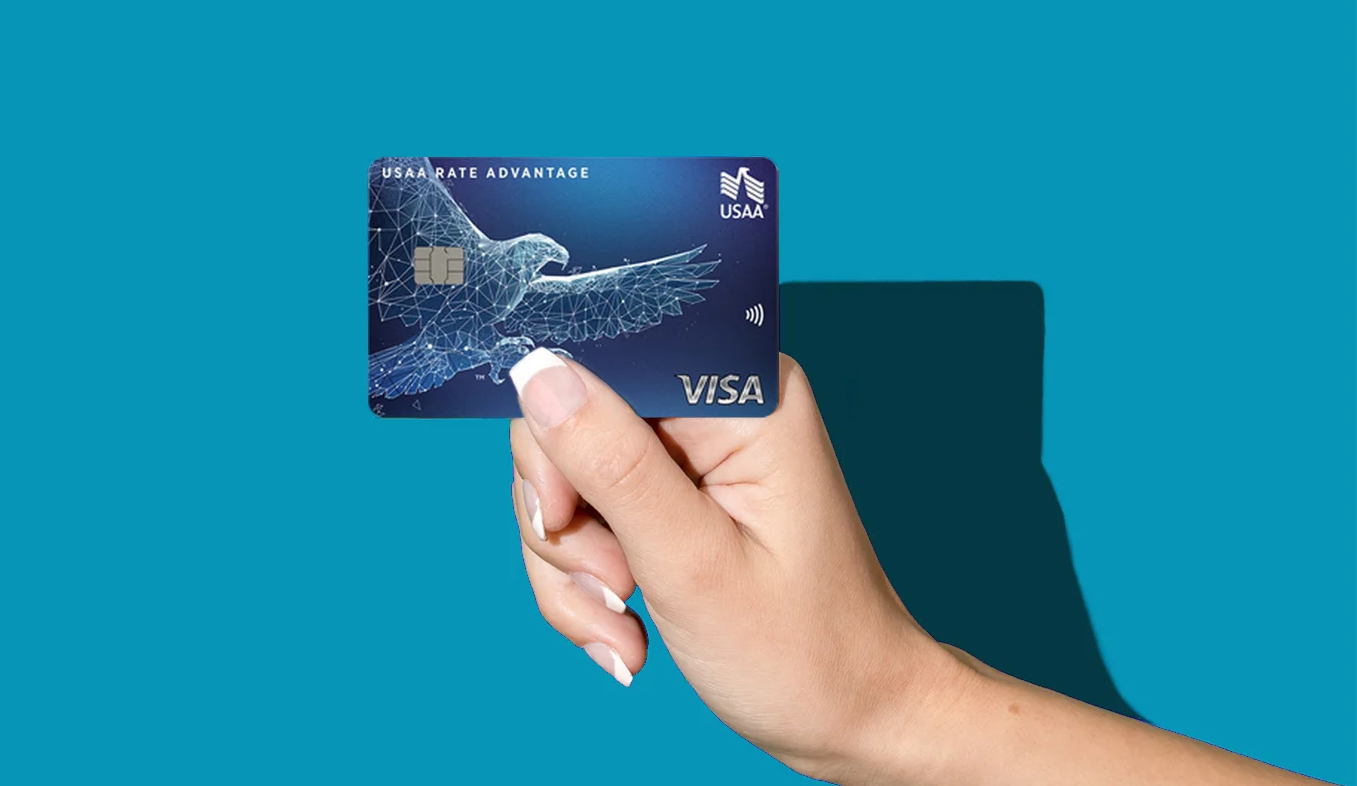
The Benefits and Risks of Using Credit Cards in Building Credit
Credit cards serve as a gateway to managing your finances, offering not just a means to make purchases but also an opportunity to establish a robust credit history. A solid credit history is vital for securing loans, renting apartments, or even getting favorable insurance rates. With proper understanding and management, credit cards can empower you to reach your financial milestones effectively.
Nevertheless, using a credit card comes with both benefits and risks, each of which should be carefully considered. It is crucial to approach your credit card usage with a well-informed mindset to maximize its potential while minimizing pitfalls.
Benefits of Using Credit Cards
- Establishing Credit History: A consistent pattern of using your credit card and making timely payments is key to building a strong credit score. For example, a young adult may open their first credit card and make small purchases, like gas or groceries. By paying off these balances on time each month, they demonstrate creditworthiness, which can aid in qualifying for a mortgage or car loan when needed.
- Flexibility and Convenience: Credit cards are incredibly convenient. They allow you to make purchases quickly, both online and in-store, without the need to carry cash. This can be especially advantageous during emergencies or when traveling. For instance, if you’re on vacation and need unexpected car repairs, using your credit card can keep you from disrupting your plans, allowing you to pay for the service later.
- Rewards and Benefits: Many credit cards come equipped with rewards programs, offering points, cashback, or travel benefits. For example, using a travel rewards credit card for everyday expenses can help you accumulate points that might lead to free flights or hotel stays. This not only saves you money but also enhances your overall purchasing power.
Risks of Using Credit Cards
- Debt Accumulation: One of the significant risks associated with credit card use is the temptation to overspend, leading to high levels of debt. A simple purchase of a desired item can snowball into an unmanageable financial burden if you rely too heavily on credit without a solid repayment plan.
- High Interest Rates: Credit cards typically come with high-interest rates. Failing to pay off your balance in full each month means that interest fees can accrue, significantly increasing the total amount you owe over time. For example, if you make a $1,000 purchase and only pay the minimum payment, that debt could take years to repay, costing you hundreds or even thousands in interest.
- Impact on Credit Score: Your credit score is sensitive to factors like payment history and credit utilization. If you make a late payment or consistently use a large portion of your available credit, it can severely damage your credit score, making it harder to obtain favorable rates on loans in the future.
By being aware of these factors, you can make informed decisions that will not only enhance your credit profile but also reduce potential risks. Successful credit card management requires discipline, planning, and a clear understanding of your financial landscape. With the right approach, credit cards can be beneficial allies in your journey toward financial stability and success.
DISCOVER MORE: Click here to learn how to get approved
Understanding the Advantages and Dangers of Credit Card Usage
When used wisely, credit cards can serve as useful tools in building and maintaining your credit profile. The benefits of credit cards extend beyond just purchasing power; they can significantly impact your financial future. Understanding these advantages can empower you to harness credit cards to your benefit. Here are some notable benefits of using credit cards:
- Establishing Credit History: Credit cards are a primary way to build a credit history, which is essential for achieving financial goals. Each time you use your card and make timely payments, you create a positive credit history. This is especially beneficial for young adults or those new to credit. For instance, if a college student opens a credit card and expenses it moderately, like paying for textbooks or groceries, consistent payments can help establish a valuable credit score that will pay off when applying for loans in the future.
- Flexibility and Convenience: Credit cards offer unparalleled convenience in managing transactions. You can make quick purchases online, handle emergencies, or travel without worrying about cash availability. Picture being on a road trip and facing an unexpected car issue; using a credit card allows you to swiftly pay for necessary repairs without derailing your itinerary or breaking your budget.
- Rewards Programs: Many credit cards come with attractive rewards systems. These programs can offer points, cash back, or travel incentives that enhance financial savings. For example, if someone uses a cash-back credit card for grocery shopping, they can earn a percentage back on those purchases. Over time, these rewards can accumulate into significant savings or even free vacations, translating everyday spending into exceptional earning potential.
While the advantages of credit cards are numerous, it is equally important to recognize the associated risks. Acknowledging these risks can help you maintain responsible credit usage. Here are a few significant dangers of credit card use:
- Debt Accumulation: The allure of credit cards can lead to overspending. It’s all too easy to swipe a card for purchases without considering the long-term implications. What starts as small indulgences can quickly escalate into debt that feels unmanageable. For instance, someone might initially take on a balance for a new gadget but might later find themselves struggling to pay off unexpected expenses.
- High Interest Rates: Credit cards often come with high-interest rates, particularly for those with lower credit scores. If balances are not paid in full each month, interest charges can pile up, severely affecting your financial health. For example, failing to pay off a $500 balance in full can lead to hundreds of dollars in interest charges over time, potentially doubling the initial amount owed.
- Impact on Credit Score: It’s crucial to understand that credit card usage directly affects your credit score. Factors like payment history and credit utilization, which is the amount of credit used relative to your credit limit, play a pivotal role in your overall score. Missing payments or carrying high balances can result in a significant drop in your credit score, making future borrowing more expensive or even unviable.
By learning about both the benefits and risks, individuals can make informed choices that align with their financial aspirations. With disciplined management, credit cards can be effective tools for establishing and improving your credit profile, enabling you to achieve many of your financial goals.
DISCOVER MORE: Click here to learn about credit score pitfalls
Smart Strategies for Credit Card Use
To fully leverage the advantages of credit cards while minimizing the associated risks, it’s essential to adopt smart strategies. Implementing these techniques can lead to responsible credit usage, aiding you in building a solid credit profile over time. Here are several effective approaches:
- Create a Budget: Establishing a budget is one of the critical steps in managing your finances. Determine how much you can afford to charge to your credit card each month without exceeding your budget. For instance, if your monthly budget for groceries is $500, stick to it by only using your credit card for that expense. This discipline will help you avoid overspending and accumulating debt.
- Pay on Time: Consistently making your payments on time significantly impacts your credit history and score. Set reminders or enroll in automatic payments for at least the minimum amount due. For example, if your billing cycle ends on the 15th, program your payment to be processed on the 14th to ensure timely submission. This habit not only avoids late fees but also builds a positive reputation with credit bureaus.
- Keep Credit Utilization Low: Maintaining a low credit utilization ratio—ideally below 30% of your available credit—helps bolster your credit score. For example, if you have a credit limit of $1,000, aim to keep your balance under $300. This strategy demonstrates to lenders that you are a responsible borrower and can manage your credit effectively, while also providing a cushion for emergencies.
- Regularly Review Your Statements: Monitoring your credit card statements regularly helps you stay aware of your spending habits and catch any potential errors or fraudulent transactions. If you notice an unauthorized charge, report it immediately to your card issuer. Additionally, reviewing your statements can help reinforce your budgeting efforts, as you can evaluate areas where you may need to cut back.
- Limit the Number of Cards: While having multiple credit cards can increase your overall credit limit, it can also lead to confusion and increase temptation to overspend. Consider keeping one or two cards that offer good rewards or benefits rather than applying for several. For example, a travel rewards card might serve both your credit-building goals and your desire to earn points towards future vacations.
On the flip side, understanding how to mitigate the risks of credit card usage is equally important. Here are some proactive measures to take:
- Avoid Cash Advances: Credit card cash advances often come with steep fees and higher interest rates than standard purchases. Instead of relying on cash advances, plan your finances to avoid needing immediate cash through your credit card. If you find yourself in need of cash, consider alternative options like personal savings or small loans with lower interest.
- Know Your Terms: Different credit cards have varying rates, fees, and policies. Familiarize yourself with your card’s terms and conditions, including interest rates, late fees, and rewards expiration. Understanding these can help you manage your credit card more effectively. For example, knowing your card’s interest rate encourages you to pay off balances promptly.
- Strategically Use Balance Transfers: If you’re carrying a balance on a high-interest card, consider using a balance transfer credit card with a lower interest rate. This could save you money on interest as you pay off the balance. However, be vigilant about any balance transfer fees that could diminish your savings. Carefully comparing offers can illuminate the best decision for your credit health.
Implementing these strategies not only helps in building a robust credit history but also minimizes the potential pitfalls associated with credit card usage. By making informed choices, you can use your credit cards as powerful instruments toward achieving your financial objectives.
DISCOVER MORE: Click here for your quick approval guide
Conclusion
In summary, utilizing credit cards can be a savvy approach to building and improving your credit score when used responsibly. The benefits of timely payments, low credit utilization, and the ability to establish a credit history are critical components in securing a positive credit profile, which can ultimately lead to better loan offers and interest rates. However, it is equally important to recognize the risks that accompany credit card use. Overspending, accumulating debt, and the potential for missed payments can severely damage your credit standing, creating a cycle that may become challenging to escape.
By implementing smart strategies, such as creating a budget, making timely payments, and maintaining a low credit utilization ratio, you can harness the power of credit cards effectively. Additionally, staying informed about your card’s terms, avoiding cash advances, and being cautious with balance transfers will safeguard your financial health. Remember that the key to successful credit card usage lies in maintaining discipline and awareness.
Ultimately, by understanding both the benefits and risks, you can navigate the world of credit cards with confidence and build a solid foundation for your financial future. With progressive use of credit cards, you can emerge not just as a savvy spender but as a responsible borrower, paving the way for achieving your long-term financial goals.

Linda Carter
Linda Carter is a writer and expert known for producing clear, engaging, and easy-to-understand content. With solid experience guiding people in achieving their goals, she shares valuable insights and practical guidance. Her mission is to support readers in making informed choices and achieving significant progress.