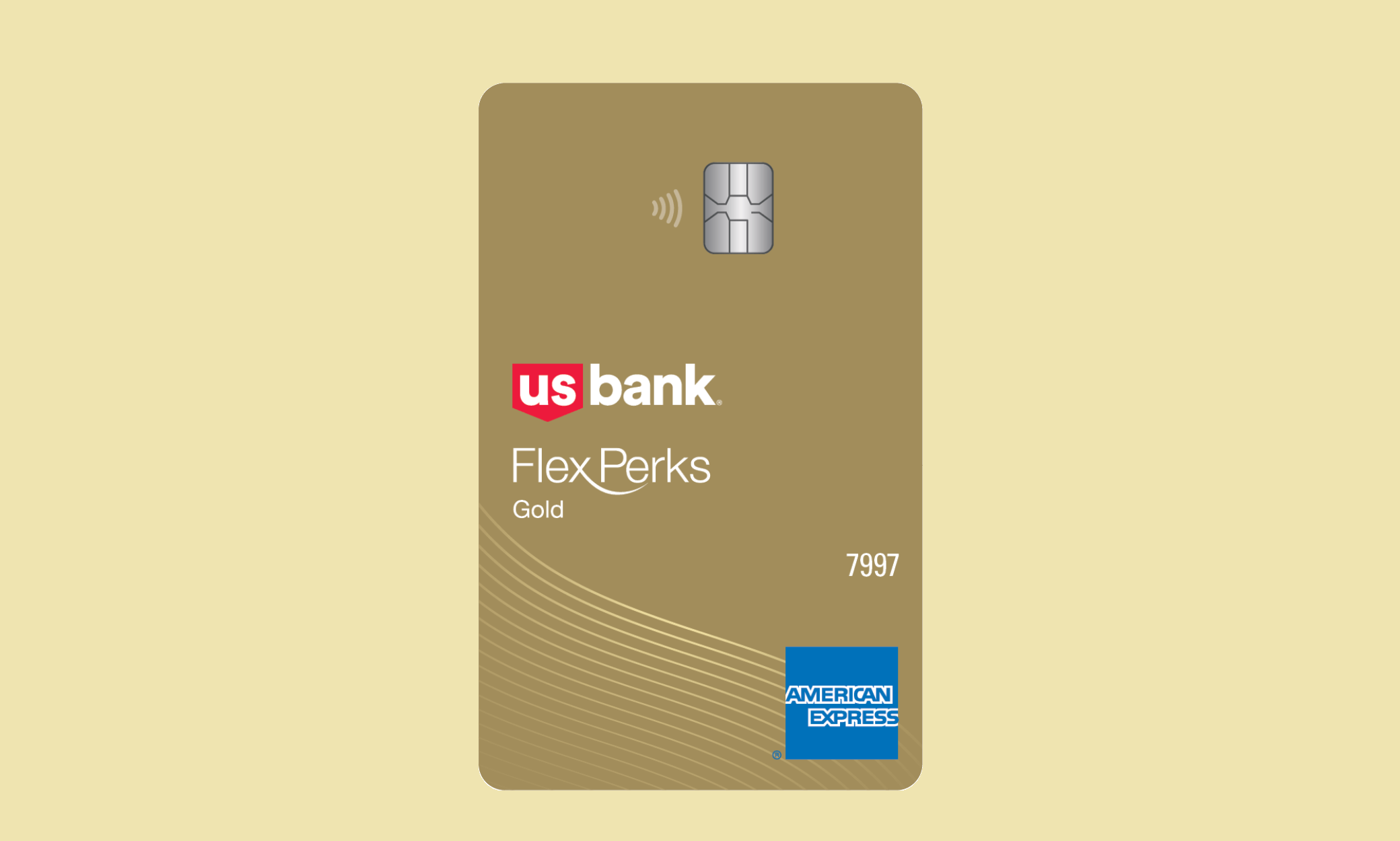
Credit Cards for Students: How to Build Credit History from a Young Age

Understanding Credit Cards for Students
Entering the world of credit can feel overwhelming, especially for students. However, starting early can pave the way for a promising financial future. Building credit history from a young age is essential for securing loans, renting apartments, and sometimes even landing a job.
Credit cards offer a fantastic opportunity for students to begin their credit journey. With the right approach, they can not only simplify daily expenses but also enhance financial literacy. Here are some key benefits of having a credit card as a student:
- Establishing credit history: A credit card helps create a positive credit record. This record is crucial because it influences your credit score, which lenders use to determine your eligibility for loans, credit cards, and mortgages. For example, a student who responsibly uses a credit card and pays off their balance each month can build a strong credit history before even graduating from college.
- Learning financial responsibility: Managing a card teaches budgeting and timely payments. Students begin to understand concepts such as making minimum payments versus full payments, and the consequences of carrying a balance, which usually incurs interest. By using a credit card for regular expenses—like textbooks, groceries, or gas—and paying it off in full each month, students can learn to track their spending effectively.
- Rewards and perks: Many student credit cards offer cash back, discounts, or travel rewards, which can be especially useful for those on a tight budget. For instance, a student might use a cash-back card for everyday purchases, later reaping rewards that can be used towards meal expenses or movie tickets.
However, it’s essential to choose the right card and use it wisely. Understanding the nuances of different credit cards can assist students in making an informed choice. Here are crucial features to consider when selecting a student credit card:
- No annual fees: Choose a card that won’t charge yearly maintenance fees. This way, students can utilize their card without worrying about added expenses that cut into their limited budgets.
- Low-interest rates: Look for a card with competitive rates to minimize costs. Ideally, students should aim to pay off their balance each month, but having a lower interest rate is beneficial in case they need to carry a balance unexpectedly.
- Building opportunities: Consider cards that allow for credit limit increases with responsible use. This aspect is significant because an increased limit can enhance the credit utilization ratio, further improving a student’s credit score.
By understanding the benefits and features, students can make informed decisions. Taking these steps will ensure they not only manage their finances now but also secure their financial future. It’s an investment in their financial literacy, setting them up for success well beyond their college years.
DISCOVER MORE: Click here for the application guide
How to Choose the Right Student Credit Card
With a variety of credit cards available for students, selecting the right one can be daunting. However, understanding your financial habits and goals will help you make a decision that aligns with your needs. Here are some steps to effectively choose a student credit card:
- Assess your spending habits: Before applying for a credit card, consider how you plan to use it. If you often purchase books or groceries, a card that offers cash back on these categories would be a beneficial choice. On the other hand, if you travel frequently, you might prefer a card that provides travel rewards.
- Check your eligibility: Most student credit cards require that you are enrolled in a college or university. Make sure you meet this requirement before applying. Some cards may also have specific income criteria, so be prepared to provide proof of income if asked.
- Read the fine print: Understanding the terms and conditions of a credit card is critical. Look for details about interest rates, payment due dates, and how rewards are earned and redeemed. Missing a payment deadline can result in late fees or an increase in your interest rate, both of which can impact your credit score negatively.
- Compare multiple options: Don’t just settle for the first card you come across. Take the time to compare different cards, looking at interest rates, fees, and rewards. Online comparison tools can make this process easier, allowing you to find the best option that meets your needs.
Once you’ve chosen a card, it’s important to use it properly. Responsible credit card management can greatly affect your credit score over time. Here are some best practices to follow:
- Always pay on time: Timely payments are one of the most significant factors affecting your credit score. Setting up automatic payments or reminders can help ensure you never miss a due date.
- Pay more than the minimum: While it might be tempting to pay only the minimum required payment, doing so can keep you in debt longer due to interest charges. Aim to pay off your full balance each month to avoid accruing interest and to build a positive history.
- Monitor your credit utilization: This is the ratio of your credit card balance to your total credit limit. Ideally, you should keep your utilization below 30%. For example, if your credit limit is $1,000, try to keep your spending under $300. Keeping this ratio low will positively impact your credit score.
By choosing the right card and following these best practices, students can successfully navigate the world of credit. This proactive approach not only prepares them for future financial opportunities but also instills a sense of discipline when it comes to managing finances. Building a solid credit history early can lead to favorable terms on loans and credit cards later in life. With careful planning and disciplined use, students can turn a credit card into a powerful tool for their financial journey.
DIVE DEEPER: Click here for essential tips
The Importance of Understanding Credit Scores
As a student embarking on your journey with credit cards, it’s essential to grasp the concept of credit scores. Your credit score is a three-digit number that lenders use to assess your creditworthiness. Generally, credit scores range from 300 to 850, with higher scores indicating better credit behavior. Understanding what affects your score is vital for building a solid credit history.
There are several key factors that contribute to your credit score:
- Payment history (35%): This is the most significant factor in determining your credit score. Consistently making on-time payments demonstrates reliability to lenders. Late payments can lead to a drop in your score, which may hinder your ability to secure favorable loan terms in the future.
- Credit utilization (30%): As mentioned earlier, this refers to the ratio of your credit card balances to your credit limits. Keeping your utilization under 30% is ideal. For instance, if your credit limit is $1,000, try to keep your outstanding balance below $300. High utilization can signal financial distress and negatively impact your score.
- Length of credit history (15%): The longer your credit history, the better it reflects your experience in managing credit. Starting with a student credit card might seem small, but it can establish a foundation for a robust credit history. Over time, don’t shy away from using your card responsibly to enhance your record.
- Types of credit accounts (10%): Having a mix of credit types, such as revolving credit (credit cards) and installment loans (student loans, car loans), can positively influence your score. As a student, while your options may be limited, it’s beneficial to recognize how diverse credit accounts can build a favorable credit profile.
- Recent credit inquiries (10%): When you apply for credit, a hard inquiry is recorded, which can slightly reduce your score for a brief period. Multiple inquiries within a short timeframe may suggest that you are a risky borrower. As a student, it is wise to limit credit applications to avoid unnecessary hits on your score.
Building Credit History Responsibly
Once you understand your credit score, the next step is to actively build your credit history while ensuring you do so responsibly. Here are additional strategies that will assist you:
- Keep old accounts open: If you have any other credit accounts in your name, keeping them active can be beneficial. Even if you don’t use them regularly, maintaining accounts without a balance can help lengthen your credit history and improve your overall score.
- Consider becoming an authorized user: If your parents or someone trustworthy has a good credit card history, ask if you can be added as an authorized user. This allows you to benefit from their credit history without the need to manage the account fully. Just be aware that if they miss payments, it can affect your score too.
- Be mindful of spending: Although having a credit card offers more freedom, it can also lead to overspending. Always stick to a budget and treat your credit card like cash. If you cannot afford to buy something outright, it’s often wise to avoid using credit.
- Review your credit report regularly: Make it a habit to check your credit report at least once a year. You’re entitled to one free credit report annually from each of the three major credit bureaus: Experian, TransUnion, and Equifax. Monitoring your report helps you catch inaccuracies and disputes if necessary.
By integrating these strategies into your daily financial practices, you can cultivate a solid credit profile that will benefit you in the long run. A strong credit history is not only a stepping stone toward financial independence, but it is also crucial when you decide to secure loans for major life milestones such as buying a car or purchasing a home.
DIVE DEEPER: Click here to find out when it’s really worth it
Conclusion
In summary, leveraging credit cards as a student can be a wise financial decision when approached with knowledge and responsibility. By understanding the fundamentals of credit scores and implementing practical strategies for building credit history, students can set themselves up for long-term financial success. Remember that payment history is the most significant factor affecting your credit score; therefore, maintaining timely payments is crucial. Additionally, keeping your credit utilization low and regularly monitoring your credit report can help you stay on track.
As you navigate your college years and beyond, consider the value of keeping old accounts open, becoming an authorized user on a trusted person’s card, and spending within your means. These practices not only help you build a solid credit profile but also teach essential lessons about financial management. A well-established credit history can open doors to important opportunities in the future, such as renting an apartment, purchasing a vehicle, or applying for loans to fund your projects.
Building credit is a gradual journey that requires patience and diligence. By taking the time to educate yourself and make informed financial decisions, you can cultivate a strong credit foundation that will serve you well throughout your life. Embrace this opportunity with a sense of ownership, and watch your financial confidence grow as you move toward a secure and prosperous future.

Linda Carter
Linda Carter is a writer and expert known for producing clear, engaging, and easy-to-understand content. With solid experience guiding people in achieving their goals, she shares valuable insights and practical guidance. Her mission is to support readers in making informed choices and achieving significant progress.