The Revolution of Autonomous Vehicles: Technological Advances and Social Implications
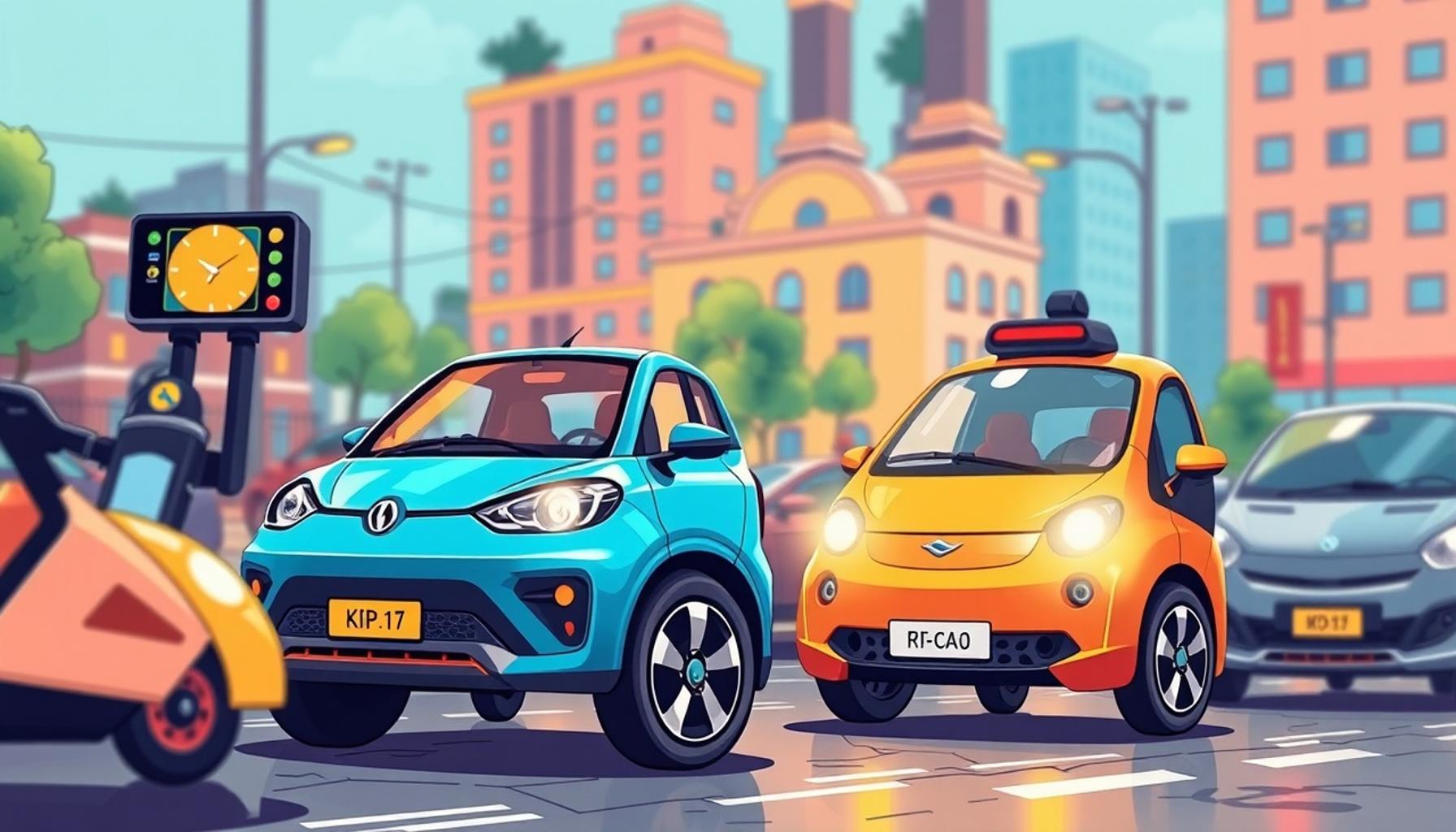
The Transformative Power of Autonomous Vehicles
The rapid development of autonomous vehicles has led to a rethinking of how we view transportation in our daily lives. In recent years, the automotive industry has witnessed remarkable innovations that facilitate the operation of vehicles without the need for human drivers.
One of the most essential advancements is the use of advanced sensors. These devices, including cameras, radar, and Lidar, enable cars to perceive their environment in a manner similar to human senses. For example, a self-driving car equipped with Lidar can create a detailed 3D map of its surroundings, identifying obstacles, traffic signals, and pedestrians with impressive accuracy. This sensory capability is crucial for safe navigation and decision-making on the road.
Another significant component is artificial intelligence (AI). AI-powered systems analyze vast amounts of data collected from sensors to make split-second decisions while driving. Consider, for instance, an autonomous vehicle approaching a crowded intersection. The AI must quickly evaluate the optimal route, predict the movement of pedestrians, and assess other vehicles’ behaviors to ensure a safe passage. This computation requires not only advanced algorithms but also machine learning, where the system improves its performance over time by learning from experience.
Real-time data processing is also integral to the functionality of self-driving cars. Autonomous vehicles are constantly receiving and analyzing information about traffic conditions, weather changes, and road obstacles. For instance, if an autonomous car detects that a sudden storm is approaching, it can adjust its route and speed accordingly to maintain safety while reaching its destination efficiently. This level of adaptability and foresight enhances the overall driving experience and public safety.
The rise of autonomous vehicles does not just revolutionize the automotive sector; it also raises important social implications. As these vehicles gain traction, job markets may be significantly affected, especially in sectors like transportation and logistics. Many truck drivers, taxi operators, and delivery personnel might face job displacement as self-driving technology becomes prevalent. Furthermore, urban planning efforts will need to evolve; cities may become less reliant on parking infrastructures and more focused on pedestrian-friendly designs, creating vibrant public spaces.
Lastly, the safety and liability concerns surrounding self-driving cars are crucial areas of discussion. With autonomous systems controlling the vehicle, questions arise regarding who is responsible in the case of an accident. Is it the manufacturer, the software developer, or the vehicle owner? As these vehicles continue to appear on roads, clear regulations and guidelines will be necessary to govern their use.
Understanding these dynamic changes is vital for both the industry and society. The swift pace of innovation in autonomous vehicles holds the promise of a future that could fundamentally reshape our lifestyles—impacting how we commute, the jobs we hold, and even the design of our cities.
DISCOVER MORE: Click here to dive deeper
Key Technological Enablers of Autonomous Vehicles
To fully appreciate the transformation brought about by autonomous vehicles, it is essential to delve deeper into the technological advances that drive this revolution. At the heart of autonomous vehicle technology lies a combination of advanced hardware and cutting-edge software, working together to redefine transportation as we know it.
One of the primary components enabling self-driving capabilities is computer vision. This technology allows vehicles to interpret and understand visual data from their surroundings. By using algorithms that can process images from cameras, autonomous vehicles recognize objects such as vehicles, pedestrians, and road signs. For example, when navigating through a busy city, a self-driving car can identify a stop sign and respond appropriately, thus ensuring compliance with traffic regulations.
In addition to computer vision, the integration of machine learning plays a pivotal role in enhancing the decision-making processes of autonomous vehicles. Machine learning algorithms enable cars to learn from past experiences and improve their performance over time. For instance, if a vehicle frequently encounters a specific type of intersection, it will adapt its approach based on successful navigation outcomes previously recorded. This capability allows the vehicle to become more adept at handling different driving scenarios, ultimately enhancing safety and reliability.
Furthermore, the implementation of V2X communication, which stands for Vehicle-to-Everything communication, is a breakthrough that allows vehicles to interact with their environment beyond just observing it. This technology enables cars to communicate with other vehicles, traffic signals, and even infrastructure such as smart roads. Imagine an autonomous car receiving real-time updates about traffic congestion ahead and being able to reroute itself seamlessly. This not only optimizes the driving experience but significantly reduces the chances of accidents, as vehicles become more aware of their surroundings.
To better understand the synergies among these technologies, let’s break down the key components that contribute to the functionality of autonomous vehicles:
- Advanced Sensors: Include cameras, radar, and Lidar for environmental perception.
- Artificial Intelligence: Utilizes algorithms to analyze data and make informed driving decisions.
- Real-time Data Processing: Allows vehicles to adapt based on current conditions and information.
- Machine Learning: Enhances the system’s ability to learn from experiences and improve over time.
- V2X Communication: Facilitates interaction between vehicles and the surrounding infrastructure.
These technological advancements are not just innovations in engineering; they are reshaping the very fabric of public transportation, logistics, and the automotive industry as a whole. As we navigate the future, it becomes increasingly clear that the implications of autonomous vehicles extend far beyond the vehicle itself, prompting considerations that affect various aspects of society.
DISCOVER MORE: Click here to learn about the rise of thematic ETFs
Social Implications of Autonomous Vehicles
As we marvel at the technological feats involved in the design and operation of autonomous vehicles, it is crucial to understand the social implications that arise from their widespread adoption. The advent of self-driving technology has the potential to reshape urban environments, influence public policy, and alter social behaviors, prompting both exciting possibilities and significant concerns.
One of the most apparent effects of autonomous vehicles is their impact on urban design and infrastructure. With the potential for reducing traffic congestion and improving road safety, urban planners are rethinking how cities are structured. For example, as self-driving cars become commonplace, the need for extensive parking facilities may decrease. This shift could open up valuable urban land for parks, shops, or affordable housing, fostering communities that prioritize quality of life over vehicle-centric models. With less space devoted to parking, cities could evolve into more pedestrian and cyclist-friendly environments, ultimately enhancing public health.
Moreover, the rise of autonomous vehicles presents an opportunity to rethink public transportation systems. With autonomous shuttles and ride-sharing services, cities can offer efficient and sustainable transport options that complement traditional public transport. These adaptations may reduce dependence on personal vehicles, addressing issues of congestion and carbon emissions. For instance, cities like San Francisco are already testing pilot programs that integrate self-driving vehicles into their public transport network, thereby creating seamless connections for residents.
However, while the advantages are compelling, the transition to an autonomous vehicle future raises critical ethical and regulatory questions. The safety of self-driving technology remains a paramount concern, as any malfunction can lead to tragic outcomes. Lawmakers will face the challenge of establishing regulations that ensure not only the safety of autonomous vehicles but also public trust in the technology. For instance, what happens if an autonomous vehicle causes an accident? Who is liable—the manufacturer, the software developer, or the vehicle owner? Such questions pose significant legal complexities and require careful consideration from policymakers.
The advent of autonomous vehicles also has the potential to impact jobs and employment across various sectors. Industries that rely heavily on drivers, such as trucking and taxi services, may experience significant job displacement as self-driving technology progresses. While this might create opportunities for new roles in technology, maintenance, and management within the autonomous vehicle ecosystem, it can also lead to challenges for workers who may find themselves suddenly unemployed. As a result, workforce development and retraining programs will be crucial in facilitating this transition and helping individuals adapt to the changing job landscape.
Lastly, widespread adoption of autonomous vehicles holds implications for accessibility and inclusion. The removal of the necessity to drive opens up mobility options for individuals who are unable to drive due to age, disability, or other reasons. For instance, elderly populations could gain greater independence, allowing them to maintain a higher quality of life as they age. Ensuring that these technological advancements cater inclusively to all demographic segments will be vital in ensuring that benefits are shared equitably across society.
Ultimately, while the journey to an autonomous future is paved with technological marvels, the broader social implications warrant thorough examination. Balancing technological innovation with ethical considerations will define how society embraces autonomous vehicles and shapes our collective mobility landscape.
DISCOVER MORE: Click here to find out how to save money without compromising your lifestyle
Conclusion
The revolution of autonomous vehicles stands as a remarkable milestone in technological advancement, offering profound benefits that can transform our communities and lifestyles. As we consider the blend of innovation and social implications, it becomes clear that the impact of self-driving technology is multifaceted. While the enhancement of urban design could promote greener and more accessible cities, we must also navigate complex ethical and regulatory landscapes to ensure public safety and trust.
Moreover, the shift toward autonomous vehicles poses challenges for the labor market, undeniably altering job dynamics in various sectors. Yet, this disruption opens the door to new opportunities that emphasize retraining and adapting our workforce to meet the demands of a changing economy. It is vital for policymakers, businesses, and communities to collaborate in creating pathways for those affected, ensuring that everyone can thrive in this new landscape.
The potential for increasing accessibility to transportation for those who face mobility challenges is another critical aspect of this evolution. As we advance toward widespread adoption, ensuring these vehicles serve the needs of all citizens—regardless of age or ability—is essential for achieving equitable benefits.
In conclusion, the journey toward an autonomous vehicle future is not solely about embracing groundbreaking technology but also about shaping a society that harnesses this innovation for collective good. By balancing progress with ethical considerations and community needs, we can steer toward a future where self-driving vehicles enhance our mobility, enrich our lives, and cultivate thriving, inclusive communities.

Linda Carter
Linda Carter is a writer and expert known for producing clear, engaging, and easy-to-understand content. With solid experience guiding people in achieving their goals, she shares valuable insights and practical guidance. Her mission is to support readers in making informed choices and achieving significant progress.