Advances in Renewable Energy: Sustainable Technologies for a Better Future
Transforming the Energy Sector
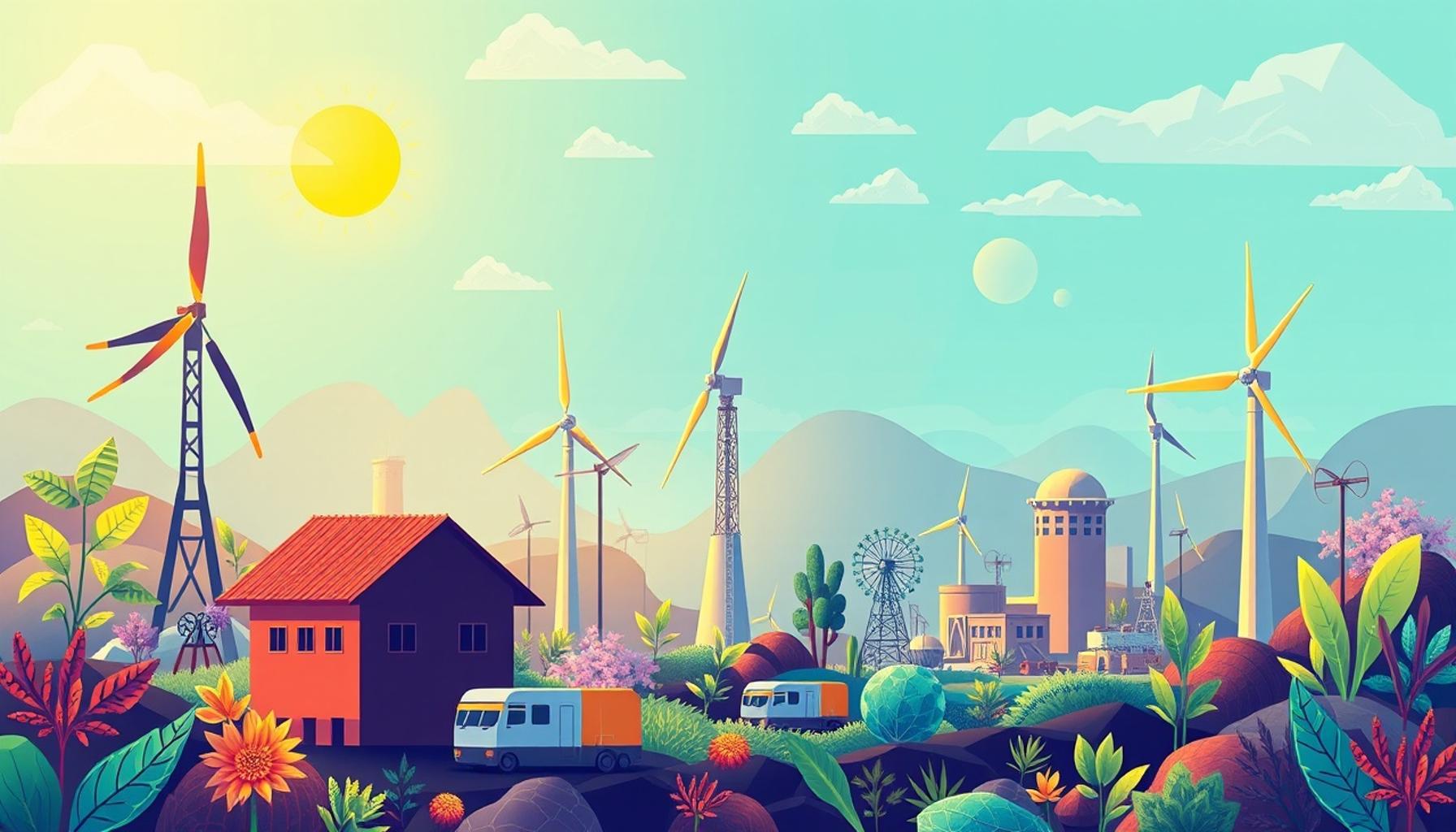
The shift towards renewable energy is not just a trend but a necessary evolution of our energy systems. As global temperatures rise and natural resources become scarcer, it is essential to explore and invest in renewable energy technologies that promise sustainability and resilience. Each of these areas is not only pivotal in combatting climate change but also represents an opportunity for innovation and economic growth.
Solar Power Innovations
Solar power has undergone significant transformations lately. New technologies have increased the efficiency of solar panels from around 15% to more than 23% in some models. This means more energy can be captured from the same amount of sunlight, making solar systems even more viable for homes and businesses. For instance, energy storage solutions such as lithium-ion batteries now allow solar energy to be stored and used during non-sunny periods, effectively powering homes when sunlight is not available. This capability enhances the reliability of solar energy and can drastically reduce utility costs. Residents in sunny states like California have reported up to a 70% decrease in electricity bills after installing solar panel systems coupled with effective storage solutions.
Advancements in Wind Energy
Similarly, the field of wind energy has seen remarkable advancements. Modern wind turbines feature taller structures and larger rotor blades, which capture more wind efficiently. By harnessing wind at higher altitudes where it tends to be stronger and more consistent, these innovations can dramatically increase energy output. For example, advancements in turbine design have enabled some wind farms to produce enough energy to power thousands of households. States like Texas lead the way in wind energy production, showcasing the potential for local economies to thrive through clean energy initiatives.
The Role of Hydropower and Geothermal Energy
In the realm of hydropower, small-scale systems are emerging as effective solutions for local communities. Unlike traditional large dams, these smaller installations can be built with less environmental impact while still generating sufficient electricity for local needs. This decentralized approach empowers communities to take charge of their energy production, reducing reliance on fossil fuels.
On the other hand, geothermal energy is becoming a more reliable source with the development of enhanced geothermal systems. These technologies extract heat from the Earth’s interior to generate electricity, providing a consistent energy source that is not dependent on external weather conditions. In states with geothermal resources, such as Nevada and Utah, this can lead to stable, low-cost energy that supports local economies.
Conclusion
The importance of embracing these advancements cannot be overstated. By tapping into renewable energy sources, we can not only mitigate the effects of climate change but also create jobs and sustain economic growth in the process. As individuals, communities, and industries invest in these technologies, we contribute to a healthier planet and a more sustainable future. Together, we can make a significant impact, ensuring a cleaner, greener world for generations to come.
DISCOVER MORE: Click here to learn about ethical consumption
Harnessing Clean Energy Solutions
As we move further into the 21st century, the acceleration of renewable energy technologies has become crucial in diversifying our energy sources and reducing our carbon footprint. Among the various forms of renewable energy, **solar, wind, hydropower, and geothermal** stand out as the most promising solutions, showcasing a commitment to sustainability while providing economic benefits.
Solar Power Innovations
Solar energy continues to lead the charge in renewable advancements. New innovations in **photovoltaic technology**, including bifacial solar panels that harness sunlight from both sides, are pushing energy efficiency boundaries. Additionally, **building-integrated photovoltaics (BIPV)** allow solar panels to be incorporated directly into building materials, turning roofs and walls into energy-generating surfaces, which is especially appealing in urban settings. As a result, homeowners and businesses alike are adopting solar solutions, and through various state incentives and federal tax credits, they can significantly reduce installation costs.
To better understand the impact of increased solar efficiency, consider the following benefits:
- Lower Energy Bills: Households can cut electricity costs by harnessing the sun’s power.
- Job Creation: The booming solar industry creates thousands of jobs in manufacturing and installation.
- Energy Independence: By generating their own electricity, families and companies can reduce reliance on the grid.
Advancements in Wind Energy
Wind energy is another front-runner in the renewable sector, with innovative technology driving efficiency and expansion. The latest generation of wind turbines, equipped with **smart technology** and larger blades, not only generates more power but also optimizes performance through real-time monitoring and data analysis. Offshore wind farms are becoming increasingly popular, as they can take advantage of stronger and more consistent winds found over bodies of water. States along the East Coast, like **Massachusetts and New Jersey**, are investing heavily in offshore wind projects, setting ambitious targets for clean energy production.
The Role of Hydropower and Geothermal Energy
Hydropower, often regarded as one of the oldest forms of renewable energy, is evolving as well. Small-scale hydropower systems, which have a lower environmental impact than traditional large dams, allow local communities to harness river currents effectively. This shift empowers regions to control their energy production while benefiting the environment.
On the geothermal front, technological advancements have made it feasible to tap into **enhanced geothermal systems (EGS)**, which utilize artificial fracturing technologies to access heat from deep underground. This method not only provides a constant energy supply, regardless of weather conditions, but it also presents a low-carbon energy solution that can be integrated into existing power grids. States like **California and Nevada**, rich in geothermal resources, are leveraging these developments to promote local economic growth and energy security.
LEARN MORE: Click here to discover pricing strategies for freelancers
Energy Storage and Smart Grids: The Future of Renewable Integration
While advancements in renewable energy generation are remarkable, an equally important facet of this sector is the evolution of energy storage and smart grid technologies. These innovations are vital for managing renewable energy’s intermittent nature, ensuring that the power generated is distributed efficiently and reliably.
Energy Storage Technologies
The rise of lithium-ion batteries has transformed how we store energy. These batteries are not only prevalent in consumer electronics but are now finding significant applications in renewable energy systems. With the ability to store excess energy produced by solar panels during sunny days or wind turbines during strong winds, battery storage is becoming essential in maintaining a consistent energy supply. Recent developments in flow batteries and solid-state batteries promise longer life spans and faster charging capabilities, making them even more suitable for renewable integration.
For instance, the installation of large-scale battery systems, such as those operated by Tesla in California, demonstrates how energy storage can mitigate the issue of energy supply fluctuations while contributing to grid stability. These systems provide power during peak consumption hours, allowing facilities to avoid relying on fossil fuel plants that ramp up production during high-demand periods.
Smart Grid Solutions
The concept of the smart grid is revolutionizing how energy is delivered and consumed. By incorporating digital technology into energy systems, smart grids enhance the efficiency of electricity distribution, monitor energy usage patterns, and facilitate real-time energy management. This technology allows utilities to better integrate diverse renewable energy sources while reducing energy waste and improving reliability.
Moreover, smart meters installed in homes empower consumers to make informed decisions about their energy consumption. For example, users can monitor hourly usage, identifying peak periods, and adjust their consumption accordingly. This not only leads to reduced electricity bills but also contributes to a more balanced power grid. States such as California and Illinois are at the forefront of implementing smart grid technologies, showcasing their benefits in enhancing overall energy resilience.
The Rise of Electric Vehicles and Renewable Energy Synergy
Electric vehicles (EVs) are another significant component in the renewable energy landscape. The increasing adoption of EVs not only reduces dependence on fossil fuels in the transportation sector but also opens new avenues for energy storage and grid management. When integrated with renewable energy sources, EVs can act as both consumers and storage units. This symbiotic relationship is categorized under vehicle-to-grid (V2G) technology, where electric vehicles can send excess stored energy back to the grid during peak times.
For example, if an EV is charged during off-peak hours when solar or wind energy is abundant, it can discharge energy back to the grid when demand rises. This bidirectional flow enhances grid stability, ensures efficient utilization of renewable energy, and enhances the viability of electric vehicles as part of a sustainable energy ecosystem.
Policy Support and Investments
Developments and advancements in renewable energy technologies are increasingly bolstered by supportive governmental policies and investments. The introduction of the Inflation Reduction Act in the U.S. stimulates growth in renewable projects by providing tax credits for renewable energy installation and energy storage. This type of legislation can spur both public and private sector investments, paving the way for innovations that foster a more sustainable energy future. By leveraging these advancements and favorable policies together, society moves closer to a resilient energy landscape based on renewables.
DON’T MISS OUT: Click here to discover more
Conclusion: A Sustainable Energy Future on the Horizon
In summary, the advances in renewable energy technology are crucial for the sustainable future we envision. With the growing contributions of solar, wind, and geothermal energy, we have made significant strides toward reducing our reliance on fossil fuels. As we explored, innovations in energy storage and the development of smart grid solutions are transforming how we generate, distribute, and consume energy. These technologies not only address the intermittent nature of renewable sources but also empower consumers to take control of their energy usage.
The integration of electric vehicles into this landscape further highlights the synergy of renewable energy and modern technology. As vehicle-to-grid systems emerge, we find ourselves at the brink of a transformative era where transportation and energy storage work in tandem to create a more resilient grid. Moreover, government policies such as the Inflation Reduction Act play a pivotal role in fostering investment and innovation, driving progress toward a cleaner energy landscape.
As we continue on this journey, it is essential for individuals, businesses, and governments to collaborate and champion renewable initiatives. By embracing these sustainable technologies, we not only secure a stronger energy future for ourselves but also contribute to the well-being of our planet. The path forward is clear: through commitment to renewable energy advancements, we can build a sustainable, prosperous future for generations to come.

Linda Carter
Linda Carter is a writer and expert known for producing clear, engaging, and easy-to-understand content. With solid experience guiding people in achieving their goals, she shares valuable insights and practical guidance. Her mission is to support readers in making informed choices and achieving significant progress.