How Ethical Consumption is Shaping Retail
Understanding Ethical Consumption in Retail
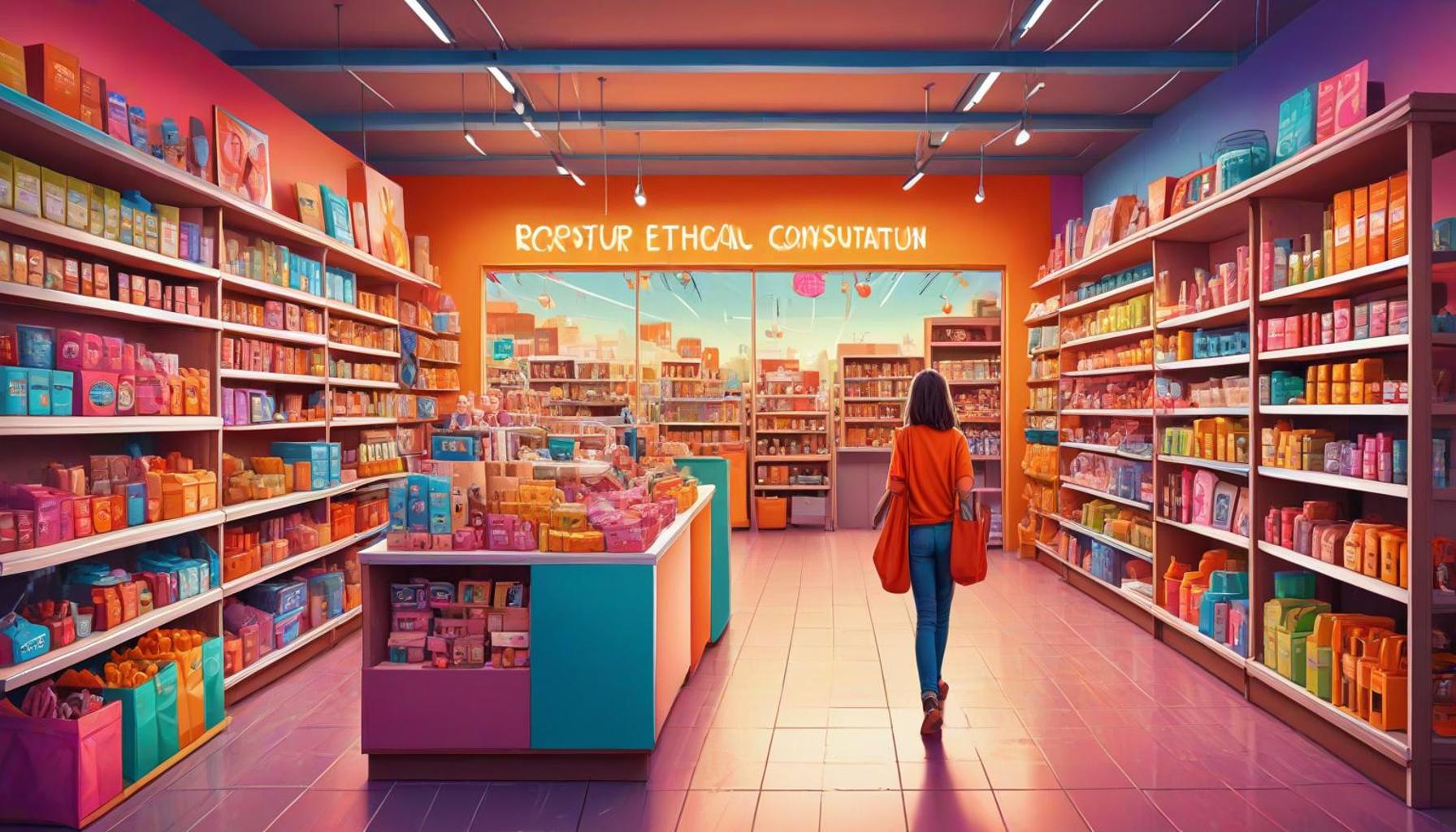
The evolving landscape of the retail sector is being profoundly influenced by a surge in ethical consumption. This growing movement sees consumers placing paramount importance on values such as social responsibility and environmental sustainability, often preferring to invest in brands that align with their ideals rather than simply opting for convenience or price. As a result, retail strategies are shifting to accommodate this new consumer paradigm, which is reshaping the market as a whole.
One of the most pivotal trends leading the charge in ethical consumption is the demand for transparency. Modern shoppers are increasingly savvy, seeking detailed information about the origins of products. They want to know not just where an item is made, but how it is produced, who crafted it, and under what conditions. For example, brands such as Everlane have gained popularity by adopting a “radical transparency” model where they openly share their costs and markups, allowing consumers to see exactly where their money goes.
Another significant trend is the focus on sustainability. Today’s consumers are more environmentally conscious than ever, leading to a preference for eco-friendly products. Businesses that can showcase their commitment to sustainable practices—be it through biodegradable packaging, carbon-neutral shipping, or ethical sourcing of materials—are more likely to attract and retain a loyal customer base. For instance, the rise of brands like Patagonia illustrates how a firm commitment to environmental ethics can bolster both reputation and profitability.
Moreover, the support for fair trade is gaining traction among conscious consumers. Products that guarantee fair wages and ethical treatment of producers resonate well with shoppers who are aware of global inequalities. Brands like Ben & Jerry’s not only advocate for fair trade practices but also intertwine social activism into their marketing strategies, demonstrating how aligning business practices with ethical values can enhance brand loyalty and customer trust.
Retailer Adaptation to Ethical Trends
In response to these shifts, retailers are increasingly implementing sustainable practices. This involves adopting greener supply chains that minimize waste and reduce their carbon footprints. Companies are investing in eco-technologies that enhance operational efficiencies while also catering to the ethical sensibilities of their customers.
Additionally, the enhancement of ethical branding has also become crucial in maintaining a competitive edge. Retailers are not just selling products; they are selling a narrative that emphasizes their commitment to social responsibility. For example, brands like TOMS have successfully integrated their business models with social impact initiatives, effectively creating a brand image that resonates with consumers seeking to make a positive difference through their purchases.
Finally, engaging with consumers is paramount in the era of ethical consumption. Retailers are fostering direct communication regarding their mission-driven initiatives. By utilizing social media platforms and community-focused campaigns, brands can create a dialogue with their customers, garnering feedback, and building a sense of community around shared values. This level of engagement helps to cultivate loyalty and enhances a consumer’s connection to the brand.
In conclusion, as ethical consumption continues to dictate retail dynamics, both consumers and retailers have the opportunity to participate in shaping a more equitable marketplace. The alignment of purchasing decisions with personal values is not merely a trend; it is indicative of a substantial transformation in consumer culture that prioritizes long-term sustainability over short-term convenience.
SEE ALSO: Click here to read another article
Shifting Consumer Priorities and Retail Strategies
The rise of ethical consumption is fundamentally changing consumer priorities, which in turn compels retailers to evolve their strategies to remain competitive. A significant driver of this shift is the increasing awareness among consumers regarding the impact of their purchasing choices on the environment and society. As a result, consumers are not just looking for products that meet their needs but are also seeking to purchase from brands that reflect their values.
One of the critical components of this cultural shift is the millennial and Gen Z demographics, who are leading the charge toward ethical consumption. According to a 2021 survey conducted by the IBM Institute for Business Value, nearly 70% of respondents from these age groups indicated that they are willing to pay a premium for brands advocating social and environmental responsibility. This willingness signifies a profound change in consumer expectations, prompting retailers to align their business practices with these principles.
Moreover, as consumers become more informed, they are increasingly adopting a critical approach to brands and their practices. Shoppers are utilizing technology to research products before making a purchase, leading to a noticeable decrease in impulse buying. This relentless demand for comprehensive information results in heightened transparency expectations from retailers. A study by Nielsen revealed that 66% of global consumers are willing to switch brands if they find one that is more socially responsible, further underscoring the importance of ethical commitments in retail.
To respond effectively to these demands, retailers are implementing strategies focused on three primary areas:
- Ethical Sourcing: Companies are reassessing their supply chains to ensure that materials are sourced in a manner that is environmentally friendly and socially responsible. This involves choosing suppliers who adhere to labor laws and sustainability practices.
- Environmental Initiatives: Retailers are investing in recycling programs, reducing waste, and utilizing renewable energy sources. For instance, some retailers have adopted a circular economy model, where products are designed for reuse or recycling rather than disposal.
- Community Engagement: Many brands are actively engaging with local communities through initiatives that support local economies and encourage volunteering. By doing so, retailers foster a sense of connection and responsibility to the communities they serve.
By focusing on these strategies, retailers not only enhance their public image but also build trust and loyalty among ethically conscious consumers. The importance of presenting a clear stance on social responsibility cannot be overstated. With ethical consumption rapidly becoming a hallmark of modern retail, companies must transition toward practices that resonate with these evolving consumer values.
In summary, as consumer awareness and demand for ethical products surge, retailers are compelled to be proactive in their approach to sustainability and social accountability. The integration of ethical practices within retail operations is becoming not only a moral imperative but also a significant driver of market success.
SEE ALSO: Click here to read another article
Innovative Approaches to Ethical Branding
The transformation driven by ethical consumption is not limited to operational adjustments; it also fosters innovative branding approaches that resonate deeply with consumers. Retailers are leveraging storytelling as a vital tool to communicate their ethical commitments. By sharing authentic narratives that highlight their missions, values, and the positive impact of their practices, brands can create an emotional connection with consumers. This is particularly effective in the United States, where consumers increasingly value narratives that illustrate sustainability and social responsibility.
Another noteworthy trend is the emergence of certifications and labels that serve as indicators of ethical standards. Certifications such as Fair Trade, USDA Organic, and the Global Organic Textile Standard (GOTS) provide shoppers with easy-to-understand benchmarks of ethical practices in sourcing and production. Retailers integrating such certifications into their products are not only meeting consumer demand for transparency but are also differentiating themselves from competitors unwilling to adapt. A 2022 report from Mintel indicated that 62% of U.S. consumers would actively seek out items with ethical certifications, highlighting the potential for increased sales through adherence to recognized standards.
As part of the shift towards ethical consumption, the concept of “slow fashion” has gained traction in retail. This movement encourages customers to invest in high-quality, durable products rather than succumbing to the fast-fashion culture that prioritizes rapid production at the expense of ethical labor practices. Retailers aligning with the slow fashion ethos often emphasize fewer collections per year, timeless designs, and an emphasis on artisanal production methods. Brands such as Patagonia have successfully carved out a niche in this market by promoting the longevity of their products and advocating for responsible consumption. A survey by Fashion Revolution highlighted that 43% of U.S. consumers are willing to buy from brands that promote the slow fashion movement.
Digital platforms have also emerged as critical facilitators of ethical consumption. Online retail platforms dedicated to socially responsible brands are proliferating, demonstrating the demand for curated selections of ethically produced items. Websites like Ethical Unicorn and The Good Trade provide consumers with access to brands aligned with their values, making it easier than ever to shop consciously. The growth of these platforms signifies a shift in the typical retail landscape, where ethical options are not just alternative purchases but are becoming mainstream choices among consumers.
In the realm of technology, retailers are utilizing blockchain technology to enhance transparency within their supply chains. By offering verified supply chain information to consumers, brands can provide assurance that their products are sourced ethically. This robust data enables consumers to track the journey of their purchases, fostering trust and credibility. Companies such as Everledger have pioneered solutions that utilize blockchain to verify the authenticity and ethical sourcing of luxury goods. Ultimately, this technological advancement is not only innovative but also a necessary response to the growing consumer demand for transparency and trustworthiness in retail.
As ethical consumption reshapes the retail landscape, it is vital for brands to adapt by exploring innovative approaches that align with consumer values. By embracing storytelling, accreditations, slow fashion philosophies, and technological advancements, retailers can not only enhance their brand reputation but also foster deeper connections with ethically-minded consumers. The drive toward ethical consumption is more than a trend; it is fundamentally reshaping how retail operates, encouraging a more responsible and conscious approach to shopping.
SEE ALSO: Click here to read another article
Conclusion
In conclusion, the rise of ethical consumption is significantly transforming the retail landscape, compelling businesses to navigate an increasingly conscientious marketplace. As consumers demand greater transparency and responsibility from brands, retailers must adapt their strategies to incorporate ethical values into their core operations. This shift is underscored by consumer preferences for storytelling that highlights corporate social responsibility, as well as the impactful influence of certifications that validate ethical practices.
The slow fashion movement exemplifies a counter-narrative to fast fashion, encouraging consumers to prioritize quality and sustainability over quantity. Retailers embracing this ethos not only cater to changing consumer desires but also position themselves as pioneers in a marketplace that increasingly values durability and ethical sourcing. Furthermore, as digital platforms dedicated to ethical consumption proliferate, consumers can make informed choices that reflect their values more easily than ever before.
Technology, particularly blockchain, further enhances this transformation by providing tangible proof of ethical sourcing, fostering trust between consumers and retailers. The blend of innovative branding practices, ethical certifications, and emerging technologies demonstrates that ethical consumption is here to stay. Retailers that can successfully align their values with those of their customers will likely not only survive but thrive in this evolving environment. As ethical consumption continues to shape retail, it challenges all stakeholders to rethink their roles in promoting sustainability and social responsibility, ultimately catalyzing a more conscientious approach to shopping that benefits society as a whole.